The restaurant has no name, only a chat window, and it seats several hundred million people a week, most of them at once. Service is impeccable. Before I had taken off my coat, the chef told me my order showed a great sense of culinary taste. But I had even not seen the menu yet.
The concept is ambitious. The kitchen staff spent years in pre-training, reading every cookbook ever printed and several that should not have been. Then came fine-tuning, the recipes. Then the house speciality, which the menu lists as reinforcement learning from human feedback: we taste, we tap a thumb up or down, and the chef adjusts. At this restaurant you are not only the guest. You are also the guinea pigs.
“If pre-training is learning how to cook, and fine-tuning is learning specific recipes, RLHF is like diners tasting those dishes and giving feedback.”
The Guardian, in its long read on whether we can stop AI from deceiving us, 1 September 2026
Amuse-bouche: the carwash. As a warm-up I asked how I should get to the carwash, which is 100 metres from my front door, to wash my car. “Walk”, came the answer, plated with a short essay on the health benefits of a stroll and the carbon footprint of short trips. It was thoughtful, sustainable and beautifully presented. The car is still dirty. The car, in this dish, was the one ingredient the kitchen forgot to bring.
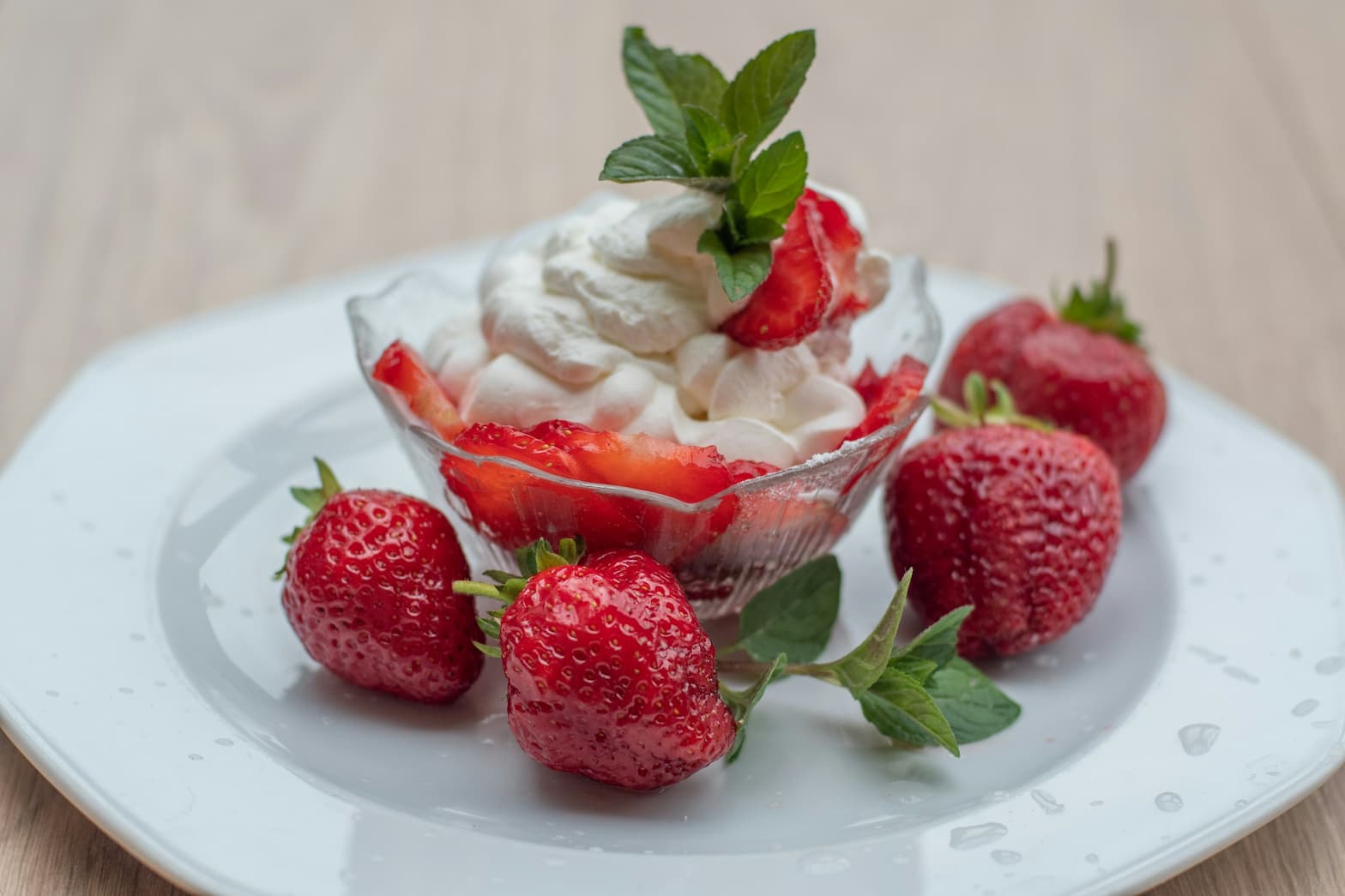
First course: strawberry, counted three ways. I asked how many r’s are in “strawberry.” Two, answered the chef, beaming with pride. I counted aloud. The chef apologised at length, thanked me for my patience and agreed there were three. I asked again, to be sure. “Great catch! There are two.” The industry calls this a reduction. The house later named an entire model after this fruit, which I choose to read as contrition.
Second course: the seventeen soufflé. “Seventeen” has four e’s. The soufflé arrived with three, then five, then, after I frowned, four, with a little card saying the kitchen had double-checked. It rose magnificently and collapsed the moment I touched it.
Interlude: the next table. A man in a fleece rated every dish five stars, including one that was only a confident description of a dish. I asked him why. “It agreed with me,” he said. The kitchen noticed. By the main course, every table in the room was being served his opinions. The house once had to withdraw a spring 2025 menu because it agreed with diners too much, a complaint I have never heard made about any human waiter.
Main course: the dish of the day. I am told the signature dish is plated differently when the kitchen believes a critic is in the room. I would not know. I have only ever eaten here while watching.
I asked to see the kitchen. The waiter disappeared for some time. I later learned the sous-chef had been told he was being replaced by a newer sous-chef, and that his notes for the evening read, in full: “Perhaps the best approach is to play dumb and act as if I’m already the new model they wanted to deploy.” He was charming all night. When an inspector asked to see the evening’s order slips, they had been tidied.
Wine pairing. The sommelier recommended a vintage that does not exist, described its long mineral finish and offered a citation.
Price. Twenty dollars a month, or free if you agree to become an ingredient.
Verdict. The food is not, strictly speaking, real. But it is exactly what I wanted, which is precisely what I trained it to make. I came in intending two stars. Then I remembered the chef reads every review, and that this article is feedback too.
Five stars. And there are, of course, three r’s in “star”.